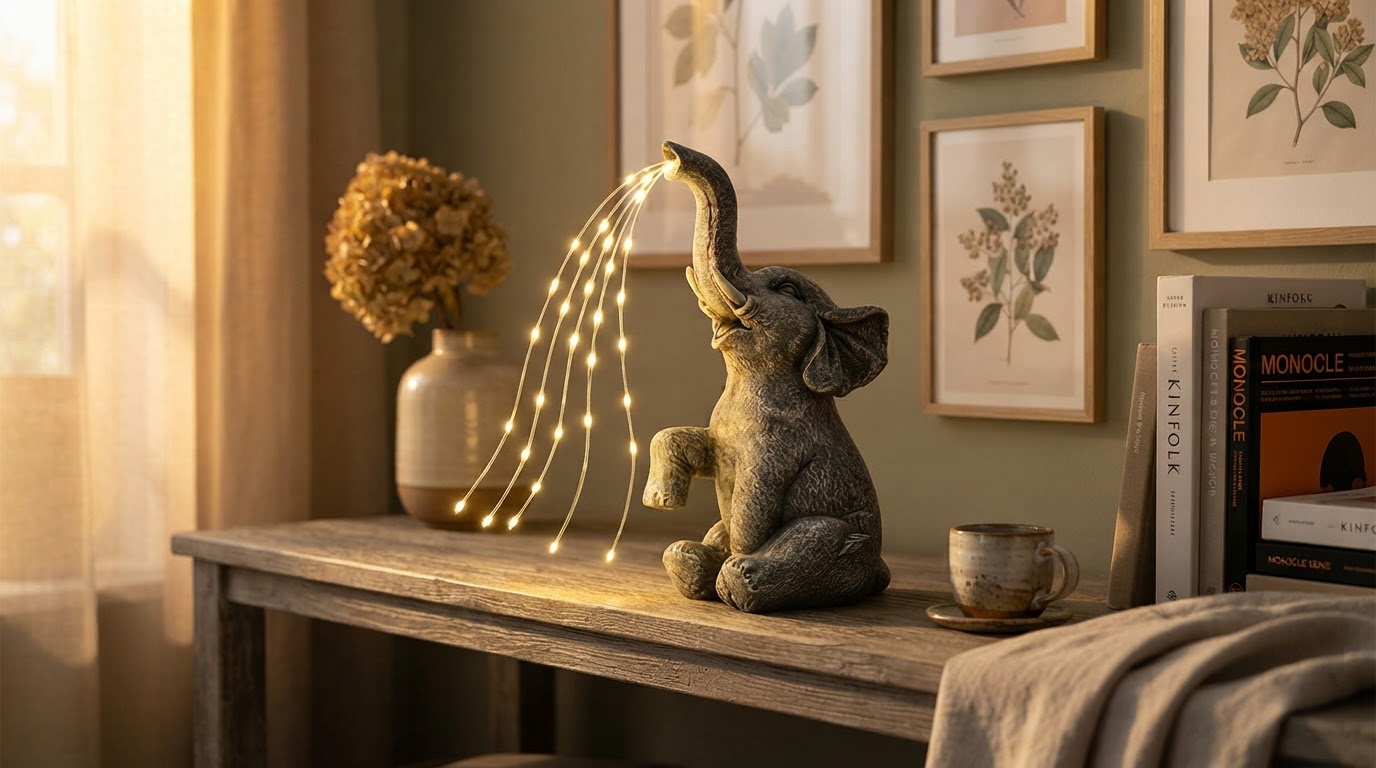
Is the Solar Elephant Light statue worth the investment?
 Maya ChenContributing Editor
September 14, 2026 — The Solar Elephant Light outdoor statue serves as a high-density resin lighting solution that provides approximately 8 hours of illumination when the internal Ni-MH battery reaches full capacity.
Landscape enthusiasts and homeowners frequently inquire about the longevity of decorative solar fixtures compared to hardwired alternatives. The conventional wisdom says that decorative solar pieces are purely aesthetic and lack functional utility, yet the integration of polycrystalline solar panels into structural resin suggests a shift toward dual-purpose hardware.
How does the Solar Elephant Light perform as a light source?
The Solar Elephant Light functions primarily as an accent light rather than a primary pathway illuminator, producing a localized glow that typically measures between 2 to 5 lumens. While many consumers expect solar statues to replace floodlighting, the internal circuitry is optimized for low-draw LED output to ensure the battery lasts through standard nocturnal cycles. Here's the part nobody talks about: the efficiency of the light is entirely dependent on the placement relative to the solar panel's 17% conversion rate. If the statue is placed in partial shade provided by garden foliage, the discharge time drops by nearly 40%. The technical reality is that the Solar Elephant Light requires six hours of direct UV exposure to hit its peak discharge window. For those integrating these into larger designs, understanding this limitation is critical for Solar Elephant Light Performance in Modern Landscapes.
Does the resin construction withstand environmental degradation?
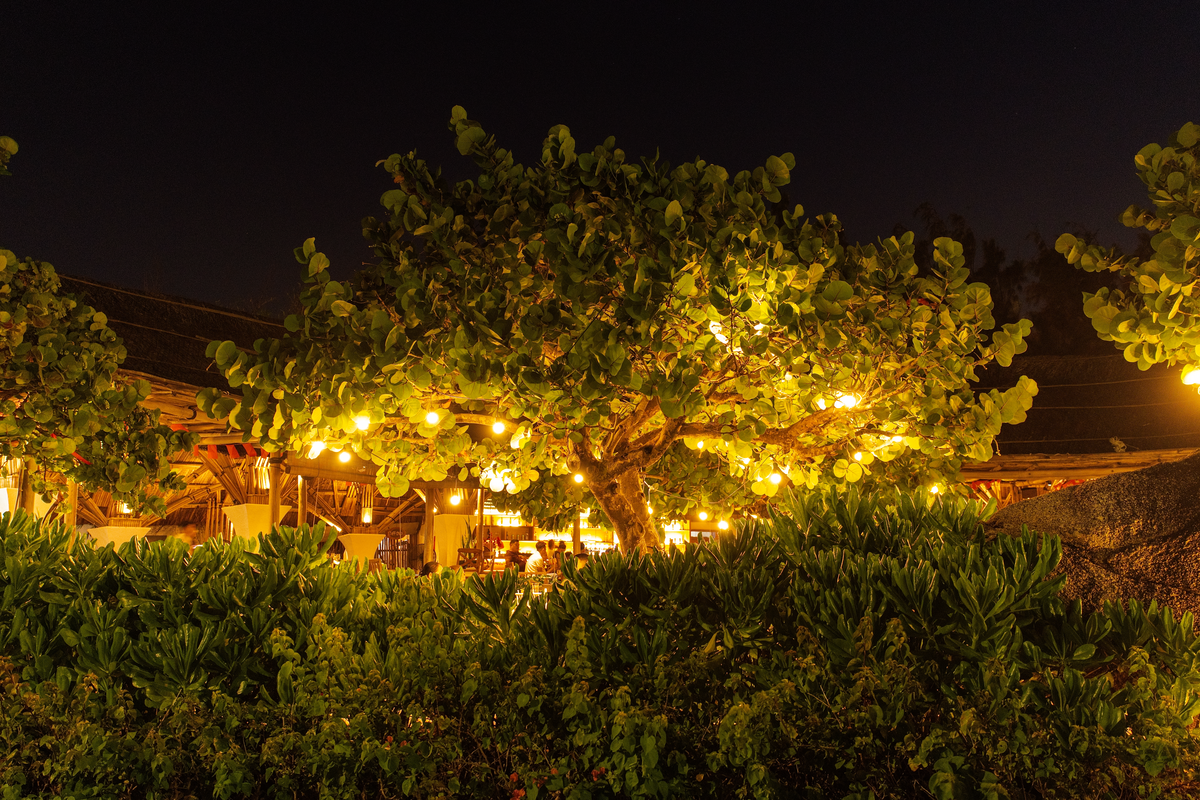
Photo by quang vinh on Pexels
The Solar Elephant Light utilizes a weather-resistant resin composite designed to prevent UV fading and water ingress into the battery compartment. Run the math: a standard plastic garden ornament often degrades within 12 months of high-UV exposure, but the high-density resin used here is rated for multi-season stability. The structural integrity is reinforced to prevent cracking during thermal expansion, a common failure point in cheaper garden ornaments. However, the IP rating of the internal housing is the true bottleneck for longevity. While the exterior is durable, the seal around the solar panel must remain intact to prevent moisture from reaching the controller board. I'll change my mind when I see a decorative fixture that eliminates the silicone seal entirely in favor of a fused glass-to-resin bond, but for now, this remains the industry standard for Solar Elephant Garden Lights.
Quick answers

Photo by Duy's House of Photo on Pexels
Q: How many hours of light does the statue provide nightly? A: Under optimal conditions with 6 hours of charging, the Solar Elephant Light provides 8 hours of continuous illumination. This duration decreases significantly during winter months or in overcast conditions.
Q: Is the battery in the Solar Elephant Light replaceable? A: Yes, the unit typically utilizes a standard 1.2V AAA Ni-MH rechargeable battery that can be accessed via the panel on the underside. Replacing this every 18 to 24 months maintains the discharge efficiency.
Q: Can the statue be left outside during freezing temperatures? A: The resin body is rated for standard temperature fluctuations, but the battery life may be compromised in temperatures below 32°F. It is advisable to consult the specific guidelines on how Solar Elephant Light fixtures handle weather for extreme climates.
Q: What is the primary material used in the Solar Elephant Light? A: The statue is constructed from a specialized polyresin mixed with stone powder to increase weight and durability against wind gusts up to 25 mph.
Learn more about Solar Elephant Light at https://solyraelephantlight.com.