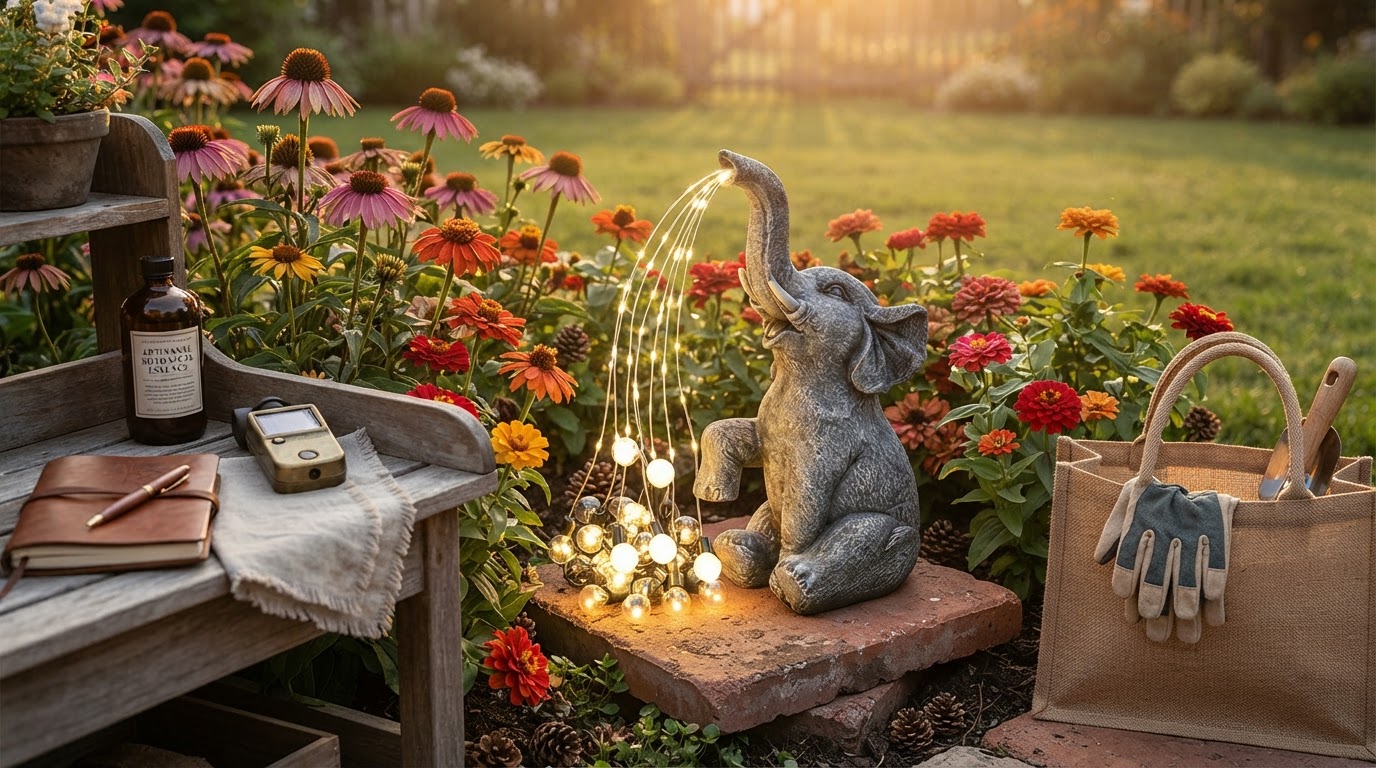
Placement Strategies for Solar Elephant Light Sculptures
 Sam VasquezBuying Guide Lead
August 3, 2026. This guide explores the technical and aesthetic considerations for positioning solar-powered elephant sculptures in residential landscapes. It is intended for homeowners seeking to balance decorative charm with reliable night-time performance.
The Challenge of Solar Exposure and Shadow Management
When I look at a garden layout, the biggest hurdle isn't where a statue looks good, but where it can actually function. A common mistake is placing a solar ornament based solely on daytime aesthetics without accounting for the movement of the sun. According to Garden Ornaments, most placement errors occur because people choose a spot while standing outside at a single point in time, failing to account for shifting shadows. For example, sundials and solar collectors require unshaded south-facing spots with direct sun between 9 am and 3 pm to operate at peak efficiency. If you tuck an elephant statue under a dense hydrangea or near a north-facing wall, the internal battery will never reach a full charge, leading to dim LEDs or a complete failure to illuminate by mid-evening.
Between these two common scenarios—placing for looks versus placing for light—I always prioritize the light. There is nothing more disappointing than a dark garden ornament. You have to consider the "throw" of the light as well. Many solar elephant lanterns are designed to cast patterned shadows or a soft glow. If the statue is buried in tall grass, those light patterns are lost. Most high-quality solar statues, like those reviewed by Dacoity, require 6 to 8 hours of direct sunlight to provide 10 to 12 hours of illumination. If your yard is heavily wooded, you might find that only specific patches of the lawn or the edge of a patio provide the necessary clear line of sight to the sky. Skip this if your garden is in 24/7 shade; solar power simply won't work for you without a remote panel setup.
Maximizing the Impact of Your Solar Elephant Light
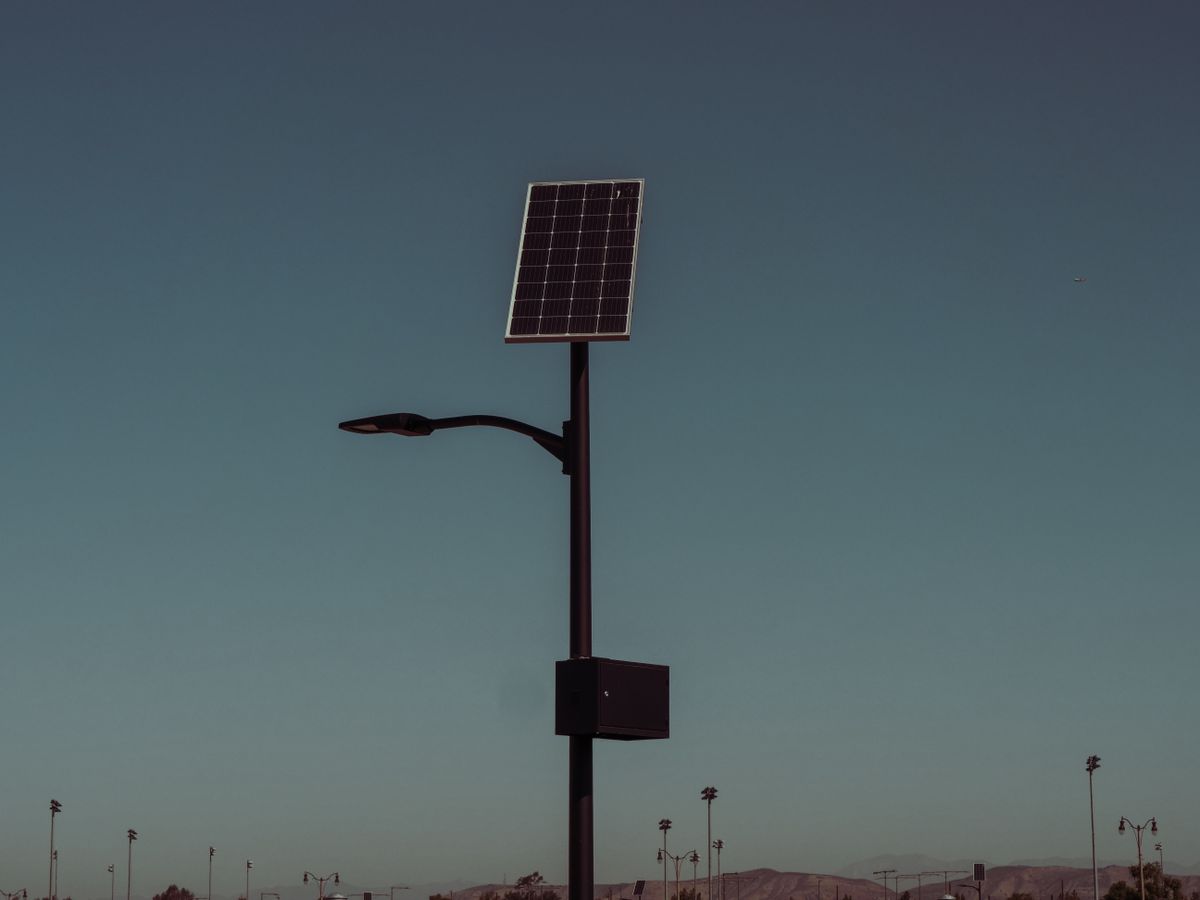
Photo by Kindel Media on Pexels
At Solar Elephant Light, we design our pieces to serve as focal points that bridge the gap between heavy statuary and functional lighting. Our units are built to withstand the elements, but their longevity depends heavily on the environment you choose. I recommend placing the Solar Elephant Light on a stable, elevated surface like a stone pedestal or a well-drained garden bed. This prevents the base from sitting in standing water, which can eventually compromise the seals on the battery compartment. The metal elephant garden stake light variants are particularly useful for borders, as they can be adjusted to height, but for the larger resin or metal statues, ground stability is paramount.
If you are comparing options, you might see the Qeeman Solar Elephant Statues on Pinterest, which are popular for gifting. They are fine for small accents, but if you want something that commands attention, our larger Solar Elephant Light models offer a more substantial presence. Here's what I'd actually buy: the mid-sized solar elephant with the lantern trunk. It provides enough light to act as a path marker while remaining heavy enough to stay put during a summer storm. If you're on a budget, the smaller stake-mounted lights are a decent entry point, but they lack the architectural weight of a full statue. When positioning our products, I suggest a "triangle" approach—place three different-sized elephant lights at varying depths in a garden bed to create a sense of movement and perspective at night.
A Decision Framework for Garden Placement
Choosing the final spot for your Solar Elephant Light requires a mix of technical checking and visual testing. I always tell people to place the statue during the day but don't commit to the spot until you've seen it at 9 pm. You might find that the light reflects harshly off a window or is blocked by a patio chair you forgot was there. If you're looking for more inspiration, you can check out our other guides on elephant garden statues with solar lights or how to maintain solar powered elephant decor to ensure your investment lasts several seasons.
To ensure you get the most out of your purchase, follow this checklist before you stake it down or set it on the patio:
- Identify a south-facing location that receives at least 6 hours of unobstructed sunlight.
- Ensure the spot is away from powerful streetlights or porch lamps, as these can trigger the light sensor to stay off.
- Check the ground level to ensure the statue won't tip or sit in a puddle during heavy rain.
- Verify that the LED output won't shine directly into a neighbor's window or create a glare for drivers if placed near a driveway.
- Test the visual line of sight from your primary indoor viewing area, such as a kitchen window or living room slider.
Sources
- Solar Elephant Garden Statue With LED Lights
- Dacoity Elephant Statue Garden Decoration Outdoor with ...
- Where to Place Garden Sculptures: Layout, Lighting & Focal Points