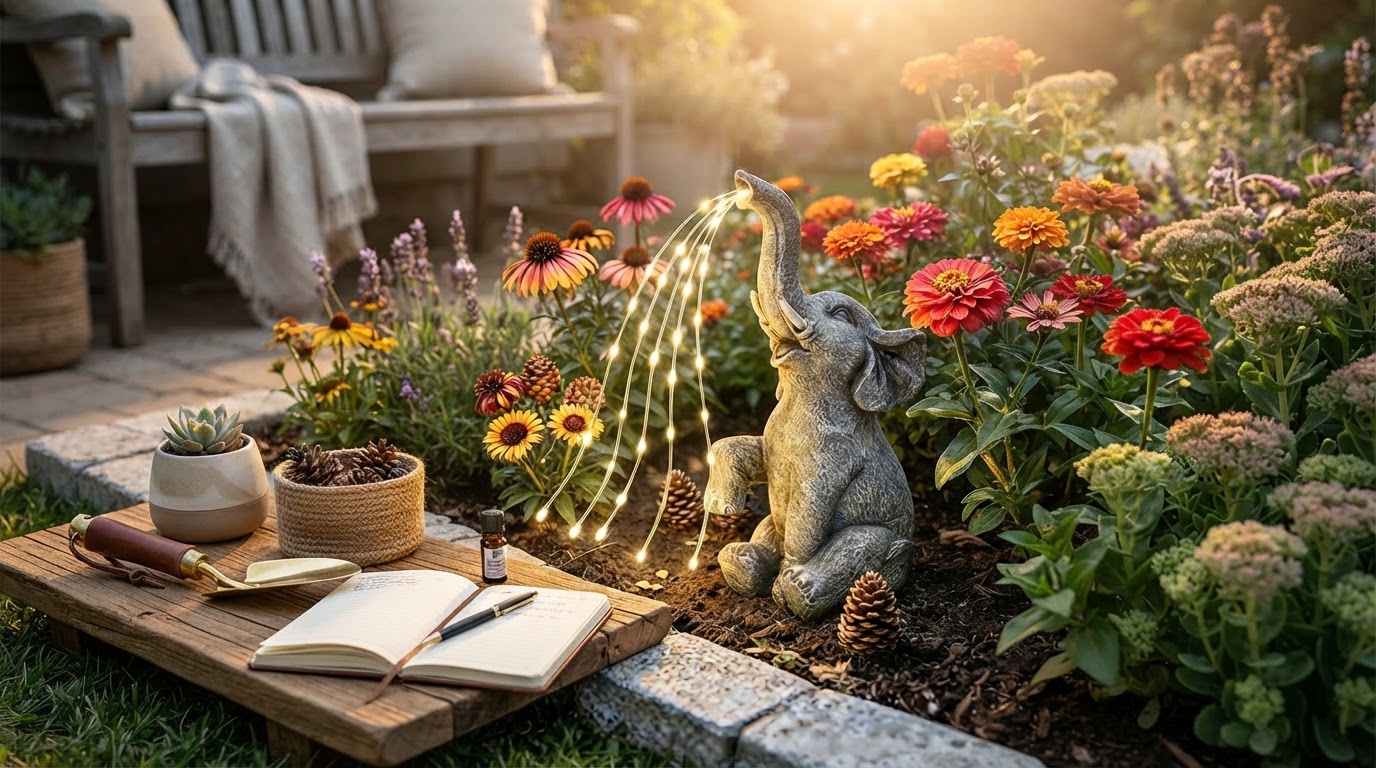
Solar Elephant Light Garden Design Frameworks
 Priya RamanSenior Analyst
September 11, 2026. This analysis details the structural integration of specialized animal-themed illumination within residential landscapes. It is written for homeowners seeking to balance whimsical aesthetics with technical efficiency in outdoor lighting design.
Selecting the right illumination for a garden requires more than an appreciation for aesthetics; it requires a structured understanding of how light interacts with physical space. Two axes matter here: the functional utility of the light source and the symbolic weight of the decorative element. When these two dimensions intersect, a garden transitions from a simple outdoor area to a curated environment. Think of it as a matrix of visibility versus narrative. A high-visibility light serves as a beacon for safety, while a high-narrative light, such as a solar elephant light, serves as a focal point for the garden's character. Modern landscape design often struggles to harmonize these needs, leading to cluttered spaces that feel disjointed at night. By applying a systematic approach to placement, one can ensure that decorative fixtures contribute to the overall safety of the path without detracting from the peaceful ambiance of the greenery.
The Challenge of Integrated Garden Lighting
Designing an outdoor space that remains coherent after dusk presents a unique set of technical and aesthetic challenges. Many homeowners find that their gardens lose their structural identity once the sun sets, as standard floodlights wash out textures and shadows. According to the International Dark-Sky Association, poor lighting design contributes significantly to light pollution and can disrupt local ecosystems, suggesting that focused, low-lumen lighting is a superior alternative for residential use. This is where the concept of the outdoor solar elephant statue becomes relevant. The primary problem lies in the "black hole" effect, where large portions of a yard disappear into darkness, creating a sense of unease. Traditional wired lighting solves this but at a high cost of installation and energy consumption. Furthermore, the lack of character in standard stake lights often leaves a garden feeling industrial rather than inviting. A solar elephant light addresses this by providing a recognizable silhouette that anchors the visual field, preventing the eye from wandering into dark voids. Once you see it this way, the goal shifts from merely "lighting up the dark" to "shaping the night."
Technical Integration of Solar Elephant Light
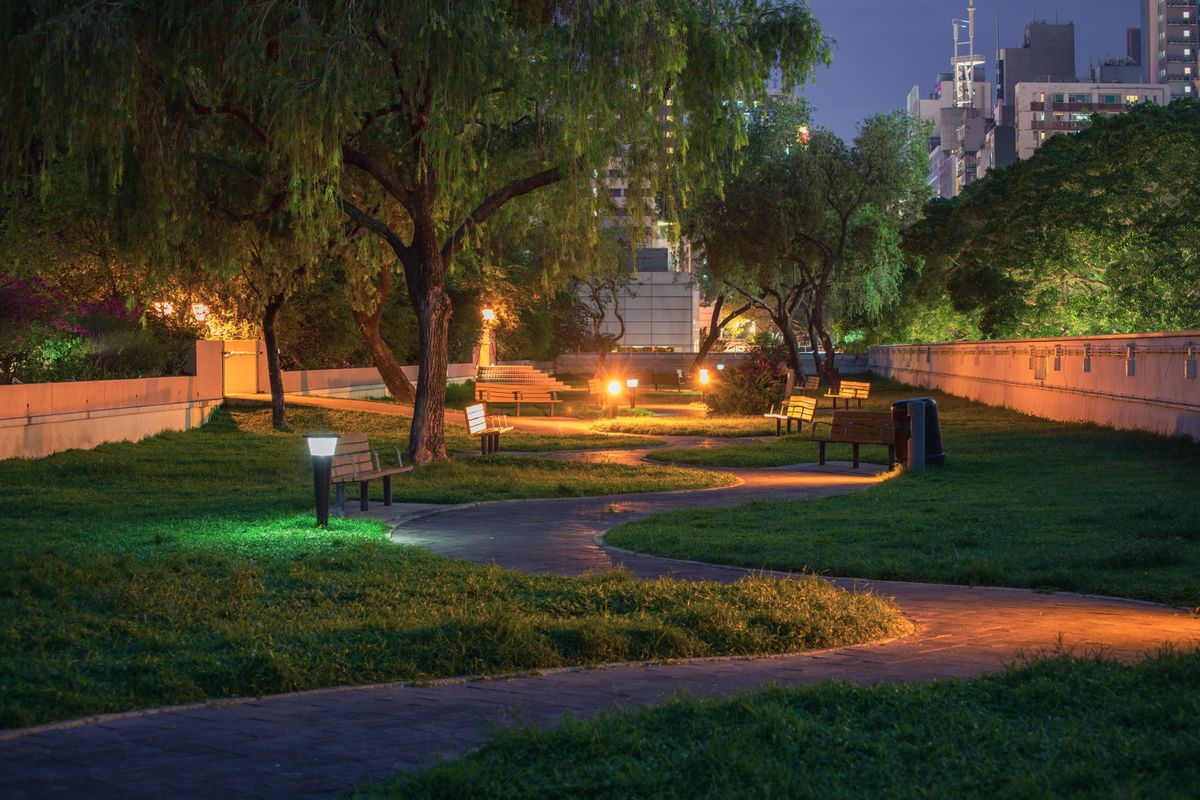
Photo by Gorma Kuma on Pexels
Solar Elephant Light products are engineered to solve the specific problem of off-grid decorative illumination through a combination of high-efficiency photovoltaic cells and durable, weather-resistant materials. Unlike generic plastic alternatives, these units utilize monocrystalline solar panels that maximize energy conversion even on overcast days, ensuring the internal Ni-MH battery reaches full capacity by dusk. The integration of an outdoor solar elephant statue into a landscape plan provides a reliable 8-to-10-hour glow, which is critical for maintaining the intended atmosphere throughout the night. The light temperature is typically calibrated to a warm 2700K to 3000K, which mimics the comforting glow of traditional incandescent bulbs while maintaining the longevity of LED technology. This specific color temperature is essential for highlighting the intricate textures of the resin or metal elephant body without creating the harsh, blue-tinted glare associated with low-quality solar products. By placing a solar elephant light near entry points or along flower bed borders, the fixture serves a dual purpose: it acts as a navigational aid and a sculptural element. The automated dusk-to-dawn sensor removes the need for manual intervention, allowing the garden to transition seamlessly through the evening hours without increasing the homeowner's utility costs.
The Decision Framework for Garden Placement
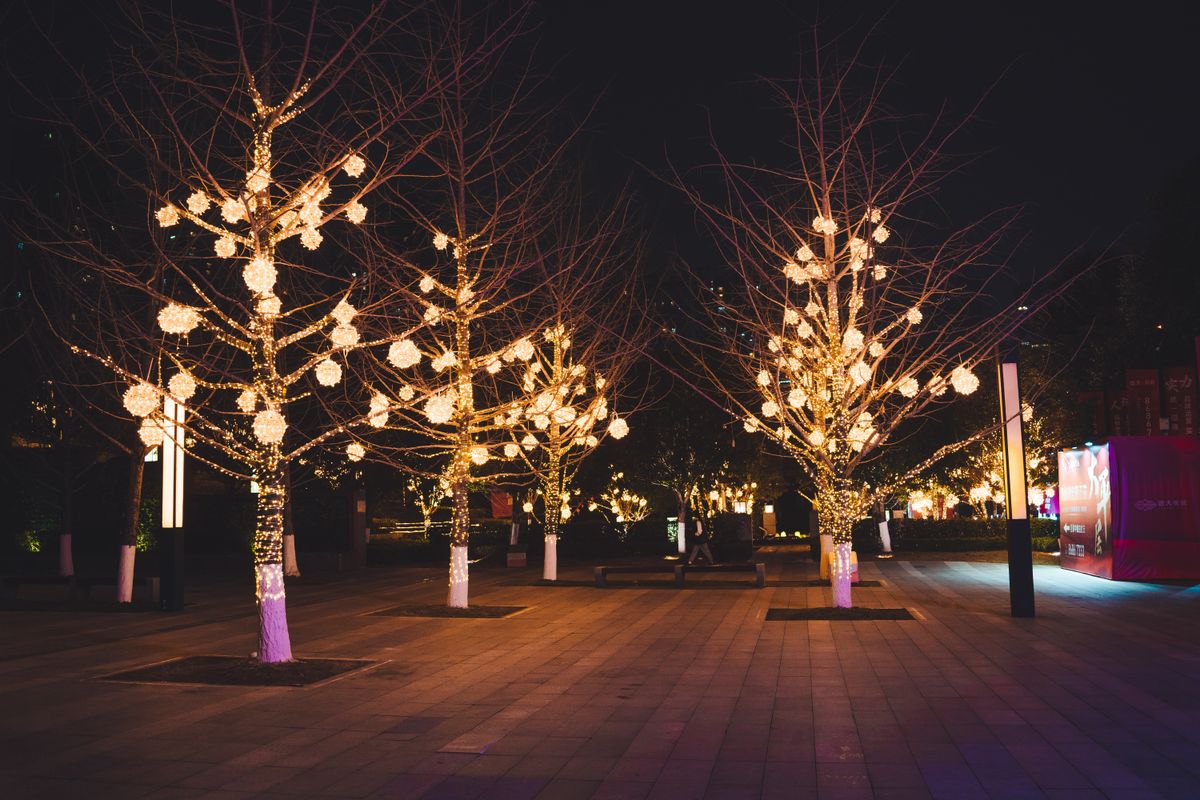
To achieve the best results, one must evaluate the garden based on a specific decision rule: place the primary decorative light at the intersection of a natural sightline and a functional transition zone. This ensures the light is seen from the house while also marking a change in the garden's topography, such as a step or a curve in the path. When choosing your fixture, consider the following checklist to ensure the integration meets both aesthetic and technical standards:
- Verify the solar panel orientation to ensure at least 6 hours of direct sunlight exposure.
- Assess the IP (Ingress Protection) rating to confirm resistance against rain and dust.
- Match the scale of the elephant statue to the surrounding foliage to prevent visual crowding.
- Coordinate the light temperature with existing exterior house lights for visual consistency.
- Test the placement from multiple interior windows to confirm year-round visibility.
For those ready to enhance their outdoor space with reliable, sculptural lighting, explore the full collection of durable fixtures designed for long-term garden use.
Shop Solar Elephant Light here