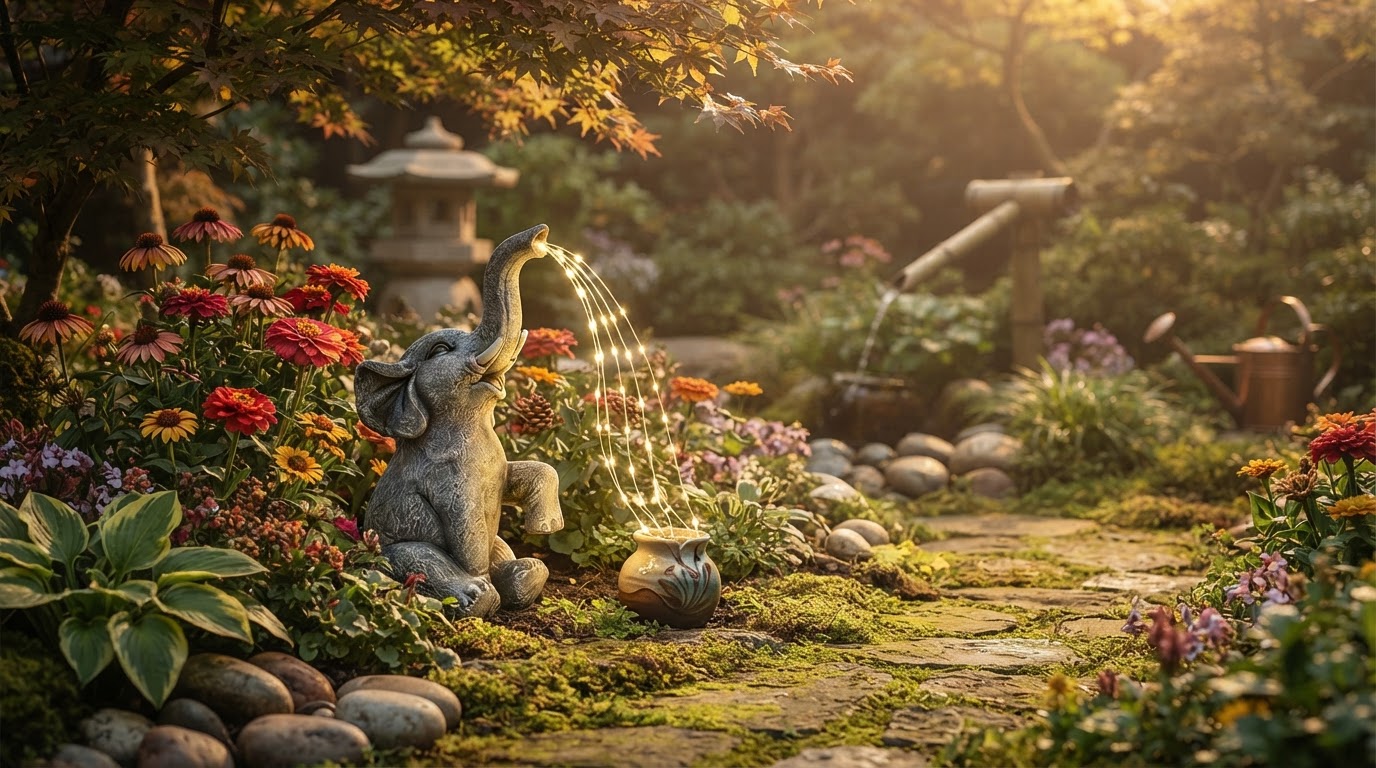
Integrating Solar Elephant Light into Modern Landscape Design
 Priya RamanSenior Analyst
September 16, 2026. This analysis explores the technical and aesthetic integration of the Solar Elephant Light into contemporary residential landscapes. It is written for homeowners and landscape designers seeking to harmonize symbolic decor with functional outdoor illumination.
To evaluate the effectiveness of decorative fixtures in a garden setting, think of it as a matrix of cultural significance and luminous efficiency. Two axes matter here: the symbolic weight of the object and its ability to provide consistent, off-grid power. When these axes intersect correctly, the fixture transitions from a mere trinket to a purposeful architectural element. In many cultures, the elephant represents wisdom and protection, making it a frequent choice for entryways and garden paths. However, the challenge for the modern consumer is finding a piece that respects this tradition while meeting the rigorous demands of outdoor weatherproofing and battery longevity. Without a structured approach to placement and technical specifications, decorative lighting often fails to achieve its primary purpose of creating a safe, navigable evening environment. According to the International Dark-Sky Association, effective outdoor lighting should minimize glare and light trespass while providing necessary visibility. This creates a baseline requirement for any decorative light: it must be directional enough to be useful but soft enough to avoid light pollution. Achieving this balance requires a deep understanding of how solar panels interact with ambient garden shadows and how the physical form of the sculpture affects light distribution. As homeowners look to expand their collections, they often explore broader themes such as elephant garden decor with lights, ensuring that each addition serves the overarching design logic of the space.
Photo by 🇻🇳🇻🇳Nguyễn Tiến Thịnh 🇻🇳🇻🇳 on Pexels
The Solar Elephant Light addresses these technical challenges through a specialized internal architecture designed for durability and consistent output. Unlike generic plastic alternatives, this fixture utilizes high-efficiency monocrystalline solar cells integrated directly into the aesthetic form of the elephant. This integration allows for a higher conversion rate of sunlight to stored energy, even in gardens that may receive partial shade throughout the day. The internal lithium-ion battery is calibrated to provide a steady discharge over an eight-hour period, ensuring that the light remains operational from dusk until the early morning hours. This reliability is critical when the light is used as part of a lucky elephant solar light outdoor configuration, where the expectation is both beauty and functional safety. The casing is constructed from weather-resistant resin, rated to withstand UV exposure and precipitation without the yellowing or brittleness common in lower-grade materials. In terms of light quality, the LEDs are tuned to a warm color temperature, typically around 2700K to 3000K, which mimics the inviting glow of traditional incandescent bulbs while maintaining the energy efficiency of modern semiconductors. This specific spectrum is chosen to highlight the textures of the surrounding foliage without washing out the natural colors of the garden. When coordinating multiple units, such as an elephant garden decor with lights arrangement, the uniformity of the LED output ensures a cohesive visual experience across the property. The decision rule: if a fixture cannot maintain its luminous flux for at least six hours after a standard day of charging, it fails the utility test of a permanent landscape installation.
Selecting the right placement for a Solar Elephant Light requires a decision framework based on solar exposure and traffic patterns. Once you see it this way, the process of installation becomes a strategic exercise in maximizing both the 'luck' associated with the symbol and the physics of photovoltaic charging. The placement should prioritize the highest point of solar gain—usually an unobstructed southern exposure—while ensuring the light is positioned to illuminate transition points like steps, path turns, or gate entries. This dual-purpose placement reinforces the theme of the lucky elephant solar light outdoor as both a guardian and a guide. To ensure long-term performance, users should follow a rigorous maintenance and selection checklist:
- Verify the solar panel surface is clear of debris or overhanging leaves to maintain maximum conversion efficiency.
- Position the trunk facing toward the home or inward to the garden to align with traditional symbolic orientations of bringing luck inside.
- Check that the ground surface is level and compacted to prevent the fixture from tipping during high-wind events.
- Ensure the light is placed at least five feet away from automated streetlights or porch lamps to prevent the dusk-to-dawn sensor from malfunctioning.
- Clean the LED housing twice annually with a damp cloth to prevent dust buildup from dimming the output.
Shop Solar Elephant Light here