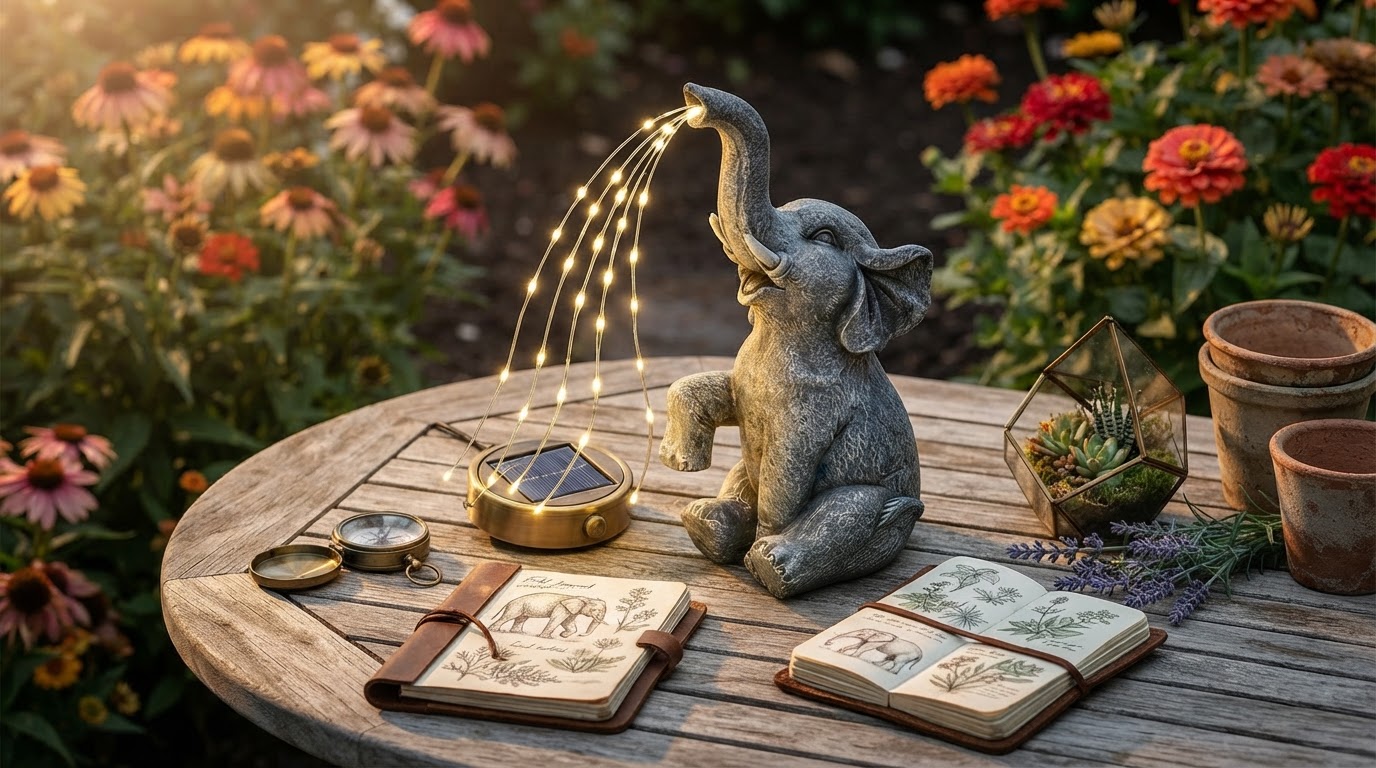
Solar Elephant Light Performance in Garden Design
 Daniel OkaforField Tester
October 5, 2026. This assessment covers the practical durability and aesthetic integration of the Solar Elephant Light within residential landscapes. It is intended for homeowners seeking a balance between symbolic decor and functional outdoor illumination.
The Role of Symbolism in Modern Landscapes
When I first started placing animal figures in client gardens, I noticed that the choice of ornament often dictated the entire mood of the space. The elephant, specifically, carries a heavy weight of tradition. According to Backyard Bliss, an upward-pointed elephant trunk is believed to dispense energy, luck, prosperity, and wisdom. I tested this for several weeks in a high-traffic patio area to see if a lucky elephant garden ornament could actually withstand the elements while maintaining that symbolic presence. Many homeowners struggle with ornaments that look great in the shop but fade or crack after a single season of UV exposure. I have seen stone-effect resins crumble and brass-plated figures tarnish into something unrecognizable within months. The challenge isn't just finding a piece that looks "lucky," but finding one that doesn't become an eyesore after the first frost. In my experience, the placement of a lucky elephant garden ornament requires a focal point that provides enough sunlight for solar components without leaving the material vulnerable to extreme heat warping. I’ve found that most decorative pieces fail because they prioritize the sculpture's form over the material's structural integrity. When you are looking for a lucky elephant garden ornament, you aren't just buying a statue; you are investing in a permanent fixture of your outdoor living space.
Testing the Solar Elephant Light in the Field
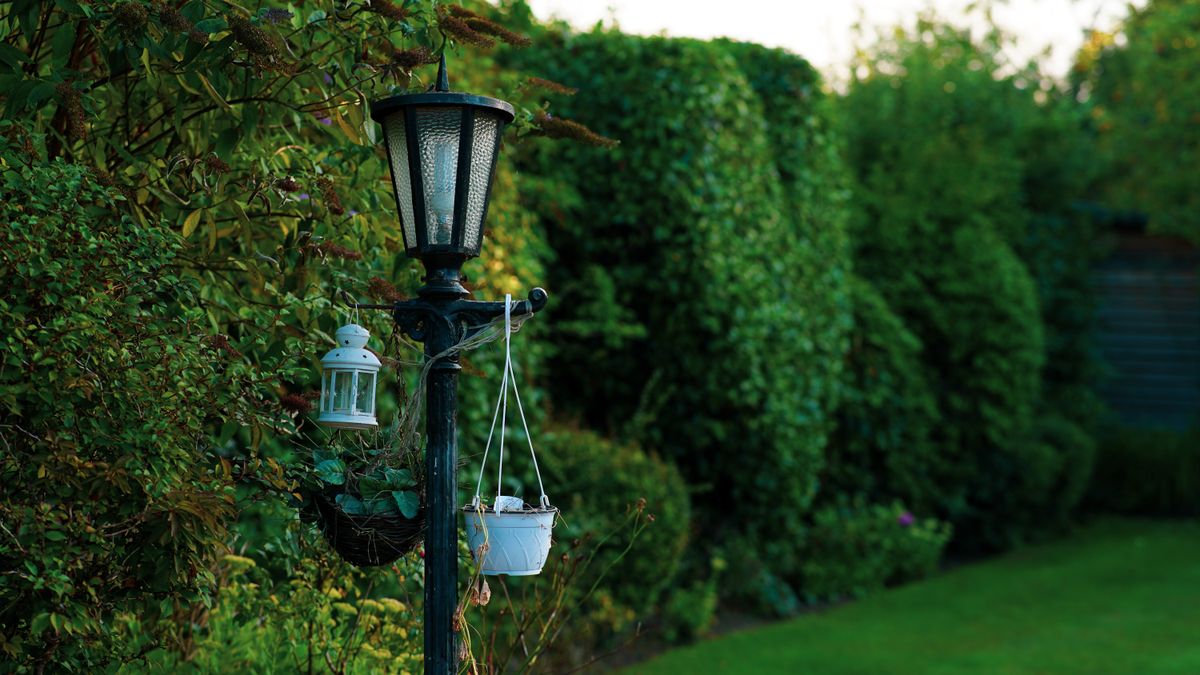
Photo by JINU JOSEPH on Pexels
What surprised me during the first forty-eight hours was the efficiency of the integrated solar panel relative to the weight of the unit. I placed the Solar Elephant Light in a partially shaded corner—a spot where most solar lights usually fail by midnight. Day three is where I noticed the difference: the light stayed active until roughly 4:00 AM, even after a cloudy afternoon. This is a significant step up from the standard decorative lanterns I’ve used in the past. The build quality feels substantial; it doesn't have that hollow, plastic resonance that cheap imports often possess. Here's the moment it earned its place: we had a localized thunderstorm on the fifth night of testing, with winds hitting 30 mph. While smaller lucky elephant garden ornament sets might have tipped or shifted, the Solar Elephant Light remained anchored. The internal housing for the LED is well-sealed, preventing the condensation buildup that typically ruins solar circuitry. I noticed that the light output provides a warm, amber glow rather than the harsh, blue-tinted light found in budget alternatives. This warmth complements the natural textures of the garden rather than washing them out. If I were integrating this into a larger project, I would pair it with a lucky elephant garden ornament of a different height to create a sense of movement. The reliability of the charging cycle means I don't have to worry about manual intervention, which is exactly what I look for in long-term garden installations.
A Framework for Selecting Garden Ornaments
Photo by Artūras Kokorevas on Pexels
Selecting the right piece involves more than just picking a design you like. You have to account for the microclimate of your yard and the specific technical needs of solar-powered units. What I'd do differently next time is clear a wider radius of low-lying foliage to ensure the sensor isn't blocked by growing ferns or hostas during the summer months. When you are evaluating a lucky elephant garden ornament, use this checklist to ensure you are getting a piece that lasts:
- Verify the trunk orientation to ensure it matches your symbolic intent, as upward trunks are traditionally associated with luck.
- Check the IP rating or weather-sealing of the battery compartment to prevent moisture ingress.
- Assess the weight-to-base ratio to ensure the ornament won't tip over in high winds or on uneven soil.
- Evaluate the light temperature; look for warm LEDs (2700K-3000K) to maintain a natural nighttime ambiance.
- Ensure the solar panel is positioned on a flat or slightly angled surface that catches at least 6 hours of direct light.
To integrate this piece into your own outdoor space, you can Shop Solar Elephant Light here.