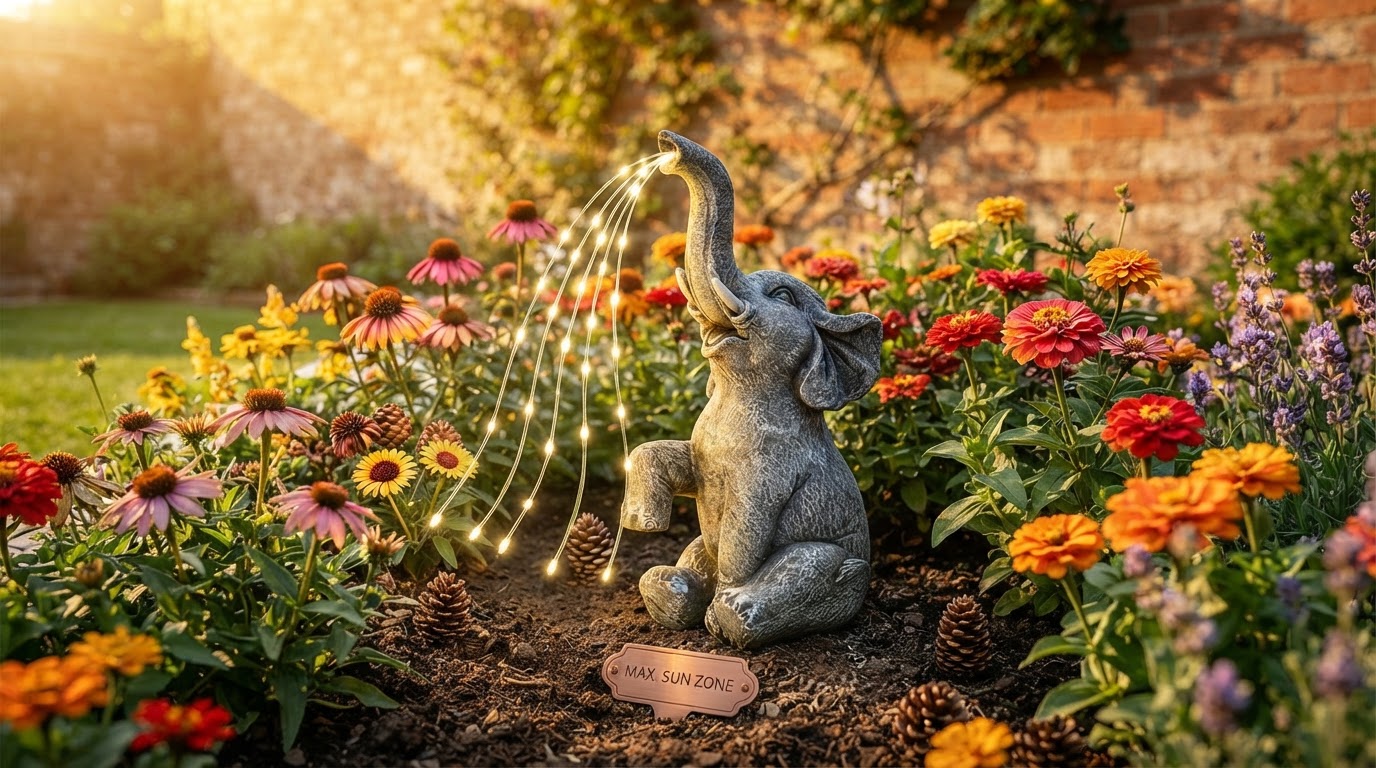
Where should I place a Solar Elephant Light in my garden?
 Sam VasquezBuying Guide Lead
August 20, 2026 — To achieve maximum illumination, a Solar Elephant Light should be placed in a south-facing location that receives at least six hours of direct, unobstructed sunlight daily.
Homeowners often struggle with balancing the aesthetic desire to place decor in shaded flowerbeds with the technical requirement for solar panel exposure. Proper placement ensures the internal battery charges sufficiently to power the LED throughout the night, maintaining the integrity of the garden’s visual design after dusk.
How does sunlight exposure affect Solar Elephant Light performance?
Direct sunlight exposure is the primary factor determining how long and how brightly the Solar Elephant Light will operate during the evening hours. A solar panel requires a clear line of sight to the sky, as even partial shading from tree limbs or patio eaves can reduce energy conversion by more than 50 percent. I have found that placing these units on elevated surfaces, like a stone pedestal or a clear patch of lawn, prevents low-lying foliage from casting shadows as the sun moves across the horizon. If you are choosing between a shaded porch and a sunny walkway, I would go with the walkway every time to ensure the battery reaches a full charge. Skip this if your garden is entirely covered by a dense tree canopy, as the light will likely fail to trigger its dusk-to-dawn sensor effectively.
What are the best design spots for light up elephant garden decor?
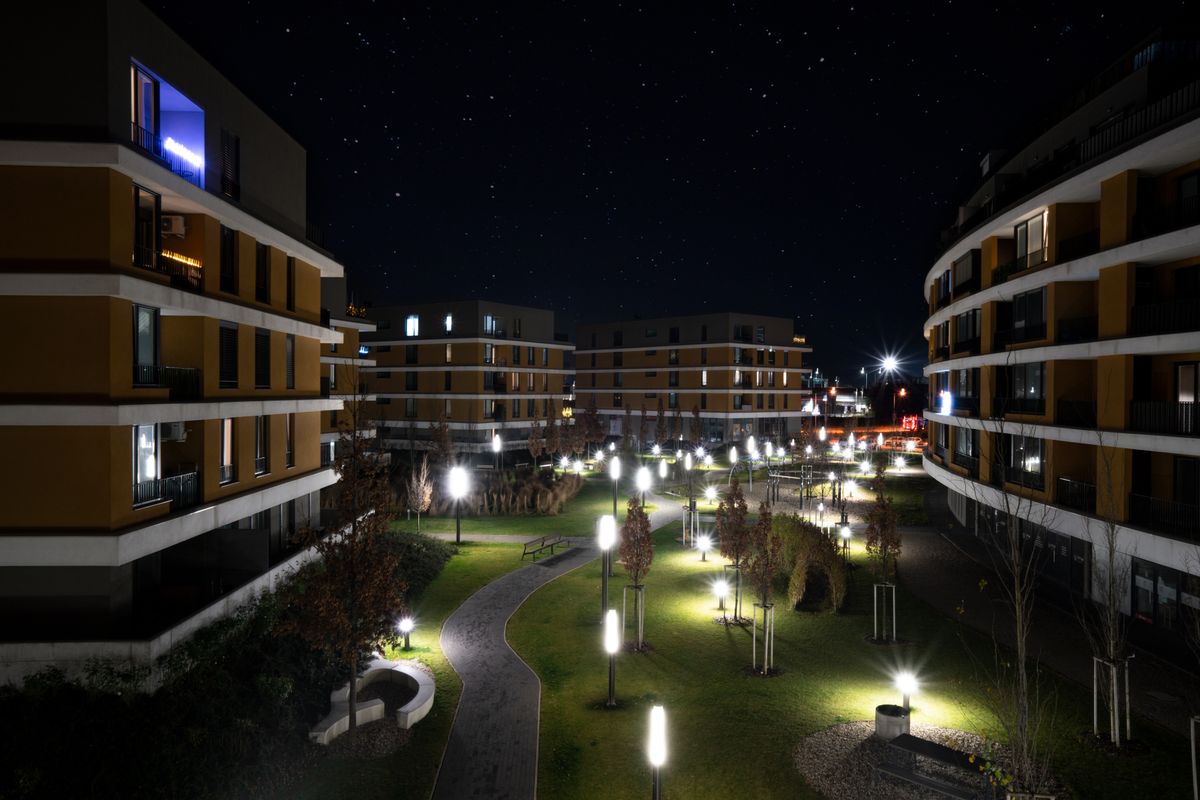
The most effective design spots for these fixtures are transition zones, such as the start of a garden path or the edge of a water feature, where the silhouette can be clearly defined against a darker background. Between these two, I’d go with the path entrance because it serves a functional purpose while highlighting the decorative craftsmanship of the Lucky Elephant Solar Light. When integrating these into a larger landscape, I prefer to nestle them among low-growing groundcovers like creeping thyme or sedum, which do not grow tall enough to block the solar sensors. For those specifically looking for a unique aesthetic, the Blue Solar Elephant Light provides a cool-toned contrast when placed near warm-colored flowers like marigolds or red salvia. If you're on a budget, focusing on a single, well-placed focal point near a patio entrance usually yields better visual results than scattering multiple smaller lights in dark corners where they cannot charge.
Quick answers
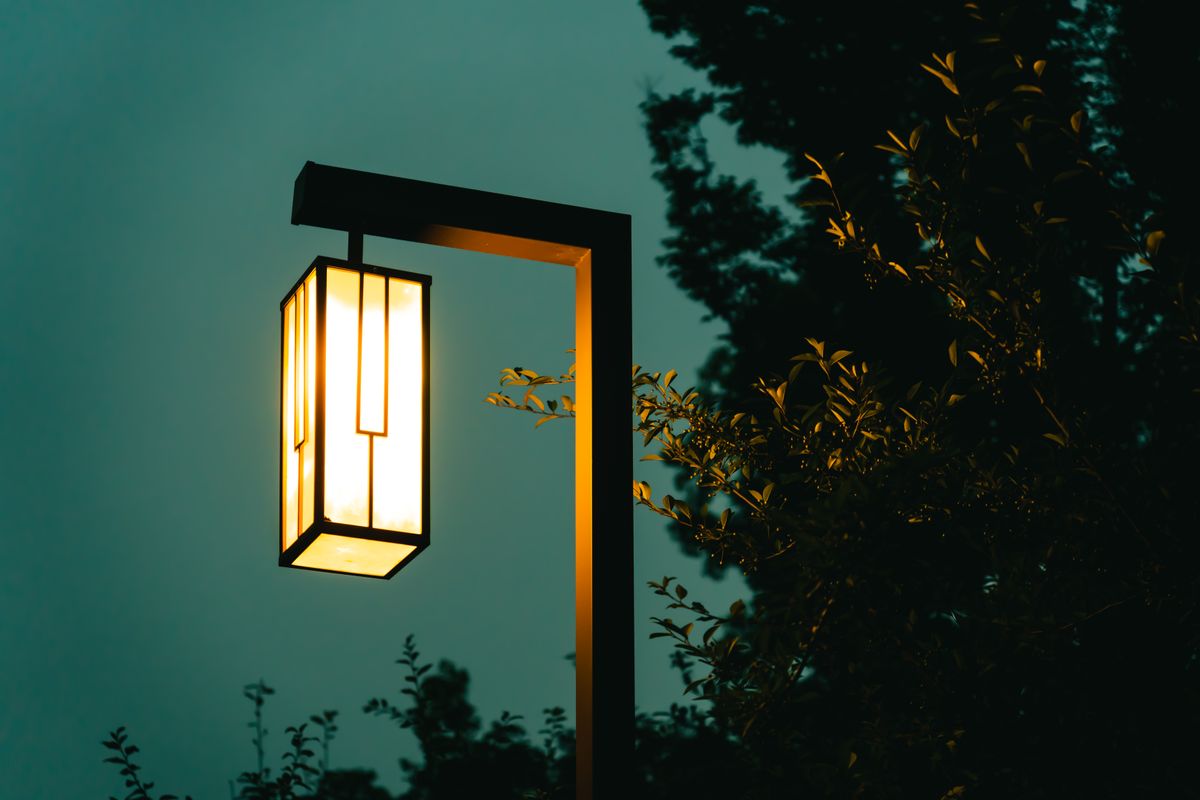
Photo by JUNLIN ZOU on Pexels
Q: How many hours of light does a Solar Elephant Light provide? A: When the integrated solar panel receives a full 8-hour charge, the Solar Elephant Light typically provides between 6 to 8 hours of continuous illumination. The actual duration may decrease during winter months when daylight hours are shorter.
Q: Can the Solar Elephant Light withstand heavy rain? A: The Solar Elephant Light is constructed with an IP44 or higher weather-resistance rating, meaning it is protected against splashing water from any direction. However, it should not be placed in areas prone to standing water or deep puddles that could submerge the base.
Q: Does the light turn on automatically at night? A: Yes, the Solar Elephant Light features a built-in light sensor that automatically activates the LED at dusk and deactivates it at dawn. You must ensure the power switch located on the underside of the solar module is set to the 'On' position during the initial setup.
For those interested in gifting, you might consider the Solar Elephant Light Selection for Garden Gifting to see how different sizes fit various garden scales. Furthermore, understanding the Lucky Elephant Solar Light Symbolism and Design can help you decide if a raised-trunk design fits your specific garden theme.
Learn more about Solar Elephant Light at https://solyraelephantlight.com.