Optimizing Outdoor Spaces with Solar Elephant Light
 Priya RamanSenior Analyst
September 26, 2026. This analysis evaluates the functional integration of solar-powered elephant sculptures into residential landscapes. It is designed for homeowners seeking to balance whimsical design with sustainable lighting technology.
To effectively categorize these ornaments, think of it as a matrix of aesthetic impact and technical reliability. Two axes matter here: the decorative footprint of the statue during daylight hours and the specific illumination pattern it projects after dusk. By plotting these variables, a homeowner can determine if a piece serves primarily as a focal point or as supplemental path lighting. Once you see it this way, the selection process moves from impulse buying to strategic landscape design.
The Landscape Integration Challenge
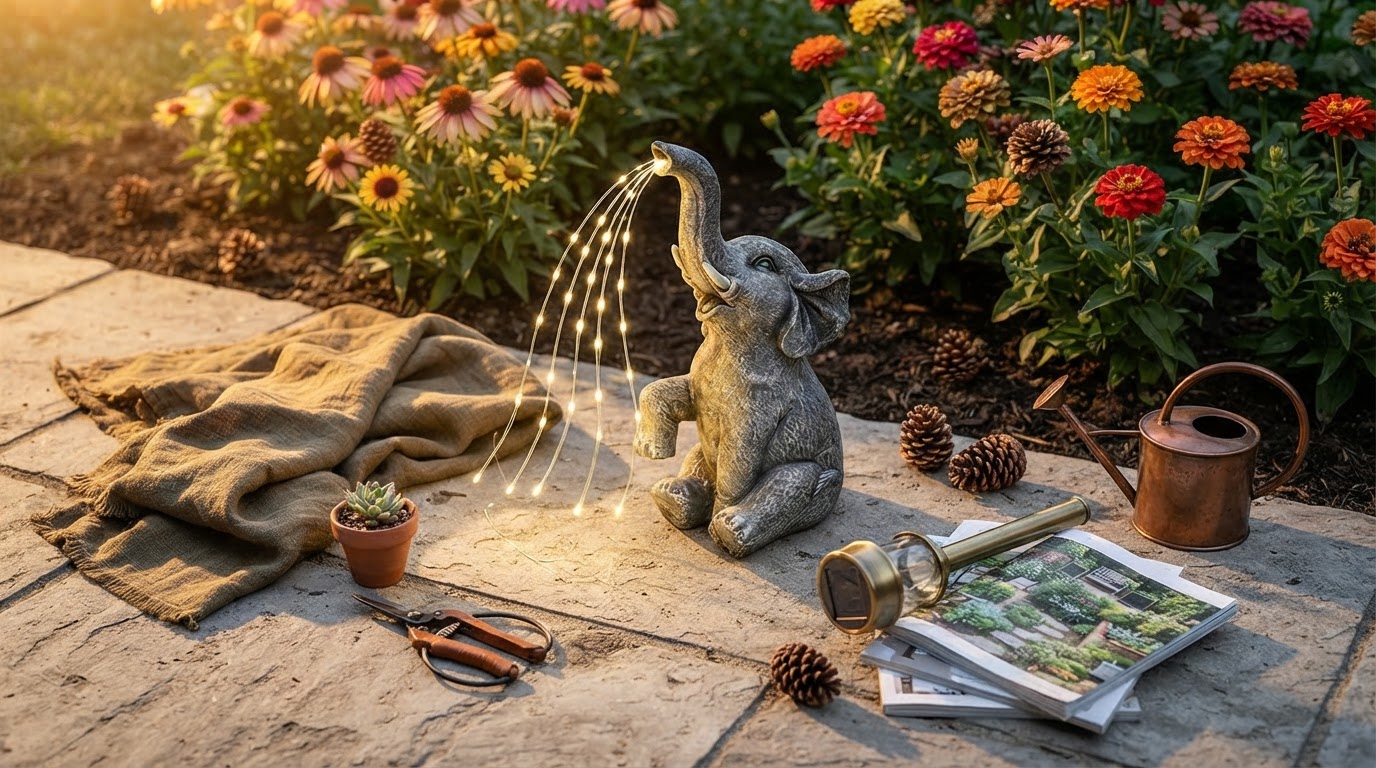
Integrating animal-themed decor into a professional landscape requires a careful assessment of material durability and light placement. Many consumers struggle with the "gimmick" factor, where low-quality materials fail after a single season of UV exposure. According to Yahoo! Shopping, popular entries in this category, such as the $19 solar elephant statue found on Amazon, utilize a cascade of warm white string lights to create an illusion of falling water, illustrating how light can be used to simulate motion in a static object. However, the challenge remains in ensuring these delicate LED strings survive environmental stressors like heavy rain or extreme heat.
When selecting a light up elephant garden statue, the primary concern is often the placement of the photovoltaic cell. If the solar panel is integrated into the back of the elephant, the statue must be oriented toward the south, which may conflict with the desired viewing angle from a patio or window. This conflict between functional charging and visual placement is a common pitfall in amateur garden design. Furthermore, the rise of elephant lawn ornaments with solar eyes introduces a different lighting profile—concentrated beams rather than ambient glows—which requires a different strategy for preventing light pollution in smaller yards. The goal is to avoid a cluttered look by selecting pieces that complement existing greenery rather than competing with it for attention.
Technical Standards of Solar Elephant Light
Photo by ROMAN ODINTSOV on Pexels
Solar Elephant Light addresses these integration challenges by focusing on high-conversion solar panels and weather-resistant resin composites. The engineering behind a quality light up elephant garden statue involves balancing the weight of the statue for wind resistance while maintaining a compact enough footprint for versatile placement. As noted in product listings on eBay, many of these statues stand approximately 5.9 inches tall and utilize internal rechargeable batteries that store energy converted throughout the day. This height is optimal for placement among medium-growth perennials where the light remains visible but the hardware is partially screened by foliage.
Consistency in light temperature is another area where Solar Elephant Light excels. While cheaper alternatives may flicker or produce a harsh blue tint, professional-grade solar ornaments utilize warm-spectrum LEDs (typically 2700K to 3000K) to mimic the inviting glow of traditional incandescent bulbs. This is particularly important for elephant lawn ornaments with solar eyes, where the intensity of the light must be soft enough to remain charming rather than jarring. The longevity of the internal circuitry is protected by IP65 or higher waterproof ratings, ensuring that the transition from day to night remains seamless across all seasons. By prioritizing these technical specifications, the brand ensures that the "adorable" factor mentioned in Etsy reviews is backed by industrial-grade reliability.
The Selection Decision Rule
When choosing between various models, the decision rule is to prioritize the battery capacity and the placement of the solar array over pure aesthetics. A beautiful statue that cannot hold a charge for more than two hours provides little value as a security or accent light. Homeowners should evaluate their specific micro-climate—such as the amount of daily direct sunlight—before committing to a specific design. If your garden is predominantly shaded, look for models with remote solar panels, though integrated panels remain the standard for the Solar Elephant Light aesthetic.
Use this checklist to verify the quality of a potential garden addition:
- Charge-to-Discharge Ratio: Ensure the device offers at least 6-8 hours of illumination from a full day of sunlight.
- Material Composition: Verify the use of UV-stabilized resin to prevent fading and cracking.
- Lumens vs. Ambience: Determine if the statue is meant to light a path or simply provide a decorative glow.
- Weatherproofing: Look for sealed battery compartments and protected LED housings.
- Scale and Proportion: Confirm the dimensions (e.g., the 5.9-inch standard) fit the intended garden bed or patio corner.
Shop Solar Elephant Light here
Sources
Photo by Marcelo Chagas on Pexels
- Amazon's $19 Solar Elephant Statue Adds an 'Adorable' Whimsical ...
- Elephant Garden Statue Solar Lights Outdoor Garden Decor for Patio ...
- Solar Light Up Elephant Garden Statue - YouTube